
Lighting Installation in Sacramento
New lighting indoors and out, from a single fixture swap to a remodeled kitchen with recessed lights, pendants and dimmers.
Lighting work covers more than hanging a fixture. Older Sacramento houses often have a single ceiling light in the middle of the room, or none at all in the bedrooms, with a switched outlet for a lamp instead. Adding recessed lights or a fixture there means running new cable, setting boxes in the right places and switching it all from where you walk in. Newer homes tend to need the opposite: swapping builder-grade fixtures, adding dimmers, and lighting a patio or a dark side yard.
Lighting Types and What to Decide
| Lighting type | Where it is used | Things to decide |
|---|---|---|
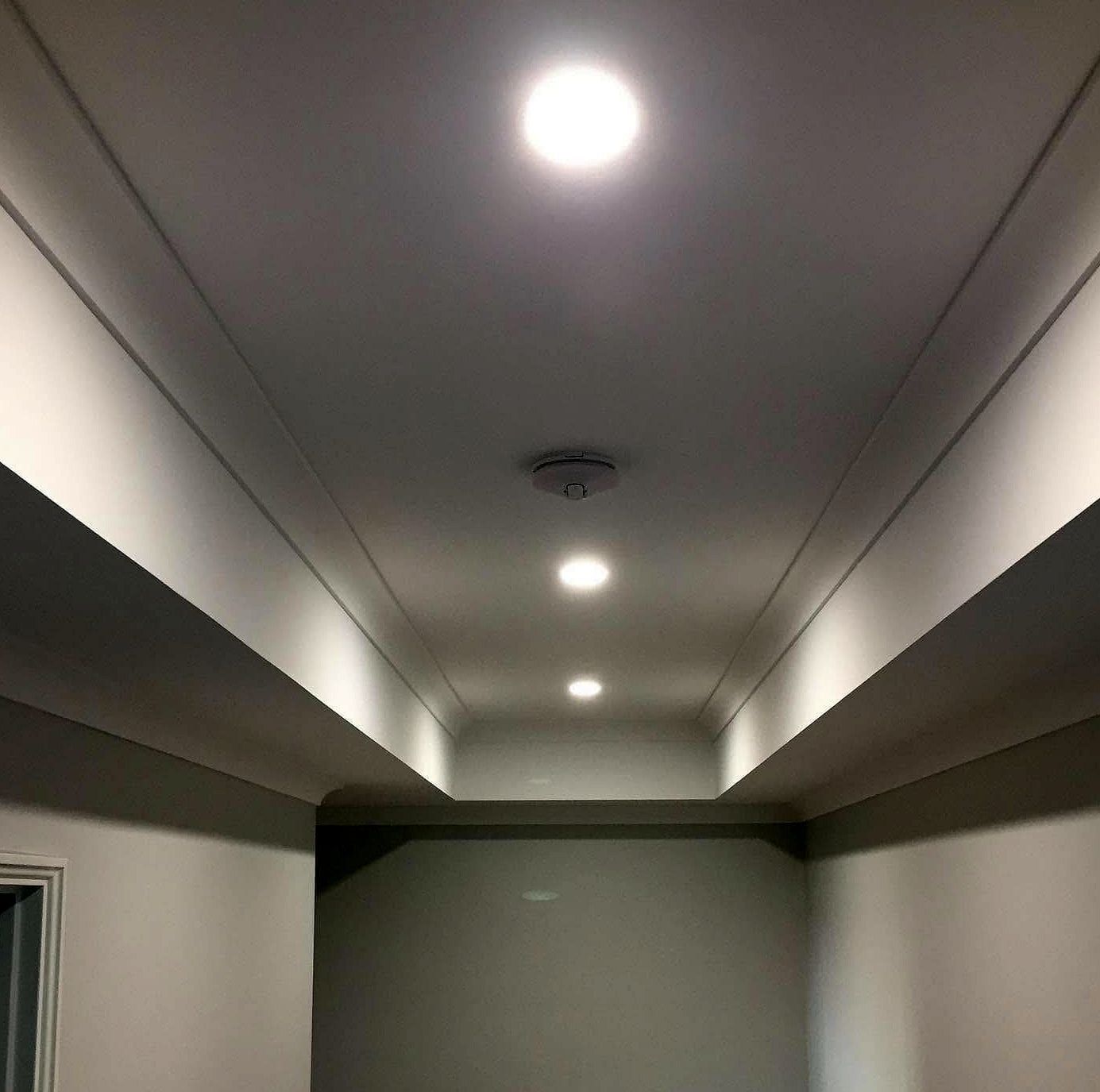
| Recessed lights | Kitchens, living rooms, hallways, tray ceilings | How many and how far apart, the trim size, color temperature, and whether the ceiling has insulation or is an attic below a hot roof |
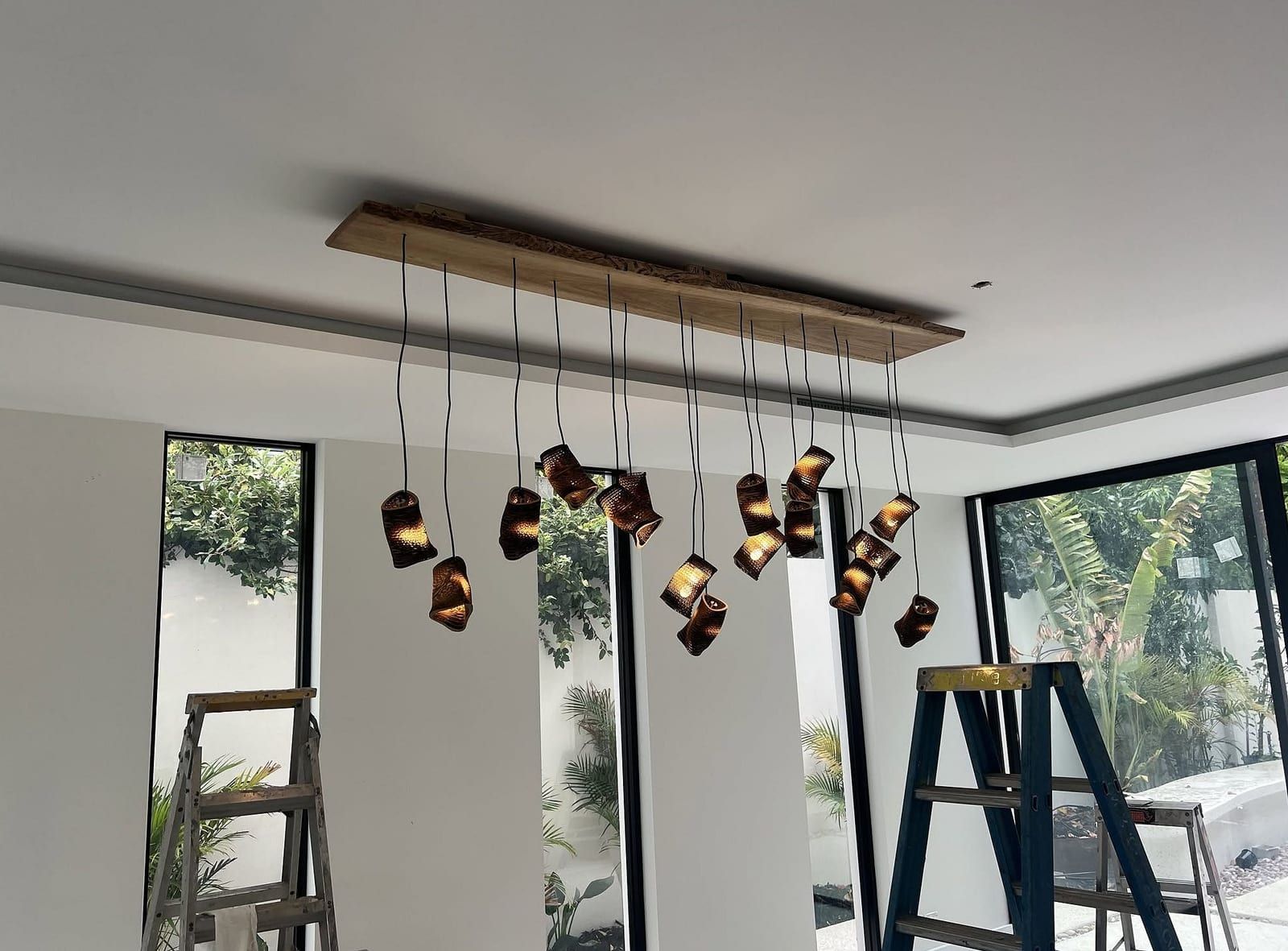
| Fixtures and ceiling fans | Dining rooms, bedrooms, entries, patios | Whether the ceiling box is rated for a fan’s weight and wobble, the height of the fixture over a table, and separate switching for fan and light |
| Under-cabinet lighting | Kitchen counters, workshops, bars | Plug-in or hardwired, where the driver goes, and a switch location that makes sense from the doorway |
| Landscape and security lights | Walkways, driveways, side yards, garages | Motion sensors or timers, light that stays on your property, outdoor-rated boxes and GFCI-protected circuits |
| Dimmers and controls | Any room with LED lights | Dimmers rated for the LED bulbs or fixtures you choose, three-way switching, and vacancy sensors where the energy code asks for them |
What to Decide Before the Visit
You don’t need a lighting plan to call, but a few decisions make the visit quicker and the result closer to what you pictured:
- Which rooms or areas, and what feels wrong now: too dark, harsh, or lit from the wrong place
- Whether you have fixtures picked out, and their spec sheets or product links if you do
- Warm or cool light: 2700K to 3000K reads warm, 4000K reads closer to daylight
- Where you want switches and dimmers, including any three-way switching at both ends of a hall or stairway
- For outdoor lights, whether you want motion sensors, timers or a simple switch inside
- How to get into the attic or crawlspace above or below the rooms
Outdoor and Security Lighting
With shorter evenings in fall and winter, outdoor lighting is often the next job after the inside is done. Lights by the front door, along a walkway, over the garage and in a side yard all need outdoor-rated boxes and fixtures, connections sealed against sprinklers and rain, and GFCI protection on the circuit. Aiming lights down and onto your own property keeps the neighbors happy and works better than one very bright floodlight.
Lighting Questions
Can recessed lights go into a ceiling with an attic above it?
Usually, yes. Today’s slim LED recessed lights fit most single-story ceilings and are rated to be covered by insulation, which matters in Sacramento, where the attic above the ceiling can be far hotter than the room in summer. The joists, ducts and any old wiring in the attic decide where each light can go.
Why do my LED lights flicker on a dimmer?
Most often the dimmer was made for incandescent bulbs and can’t control the small load of an LED properly. A dimmer rated for LEDs, matched to the bulbs or fixtures, usually solves it.
Can a ceiling fan go where a light fixture is now?
Often, but the electrical box has to be rated to carry a fan, and many boxes behind old fixtures aren’t. The box is checked and replaced with a fan-rated one if needed, and a separate wall control for the light and the fan can be added when the wiring allows it.
Do energy rules affect new lighting?
In California they do. The state energy code, Title 24, asks for high-efficacy lighting in new and remodeled spaces and for vacancy sensors or dimmers in certain rooms. It mostly shapes the choice of fixtures and controls, and it’s simplest to plan for it before buying anything.
Planning New Lights?
Tell us which rooms, what you have in mind, and whether the fixtures are already picked out.